












Odour Protection
- Products
- About us
Odour protection for the nose: nose plugs against unpleasant smells
- What is odour protection for the nose?
- Who are nose plugs for odour protection suitable for?
- What advantages do nose plugs offer as odour protection?
- Nose plugs with menthol: what are the benefits?
- Materials and properties
- Odour protection for the nose: limitations and realistic expectations
- Areas of application in everyday professional use
- Product recommendations from AMPri
- FAQ
What is odour protection for the nose?
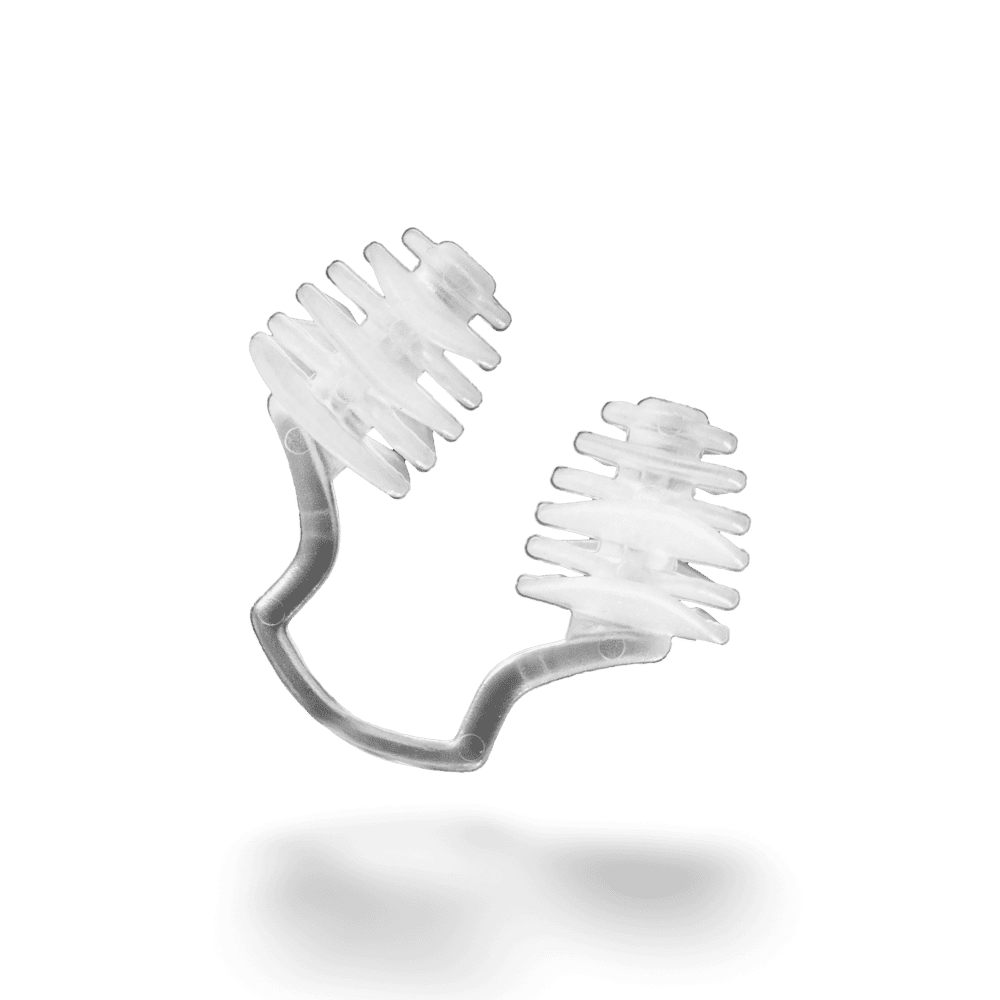
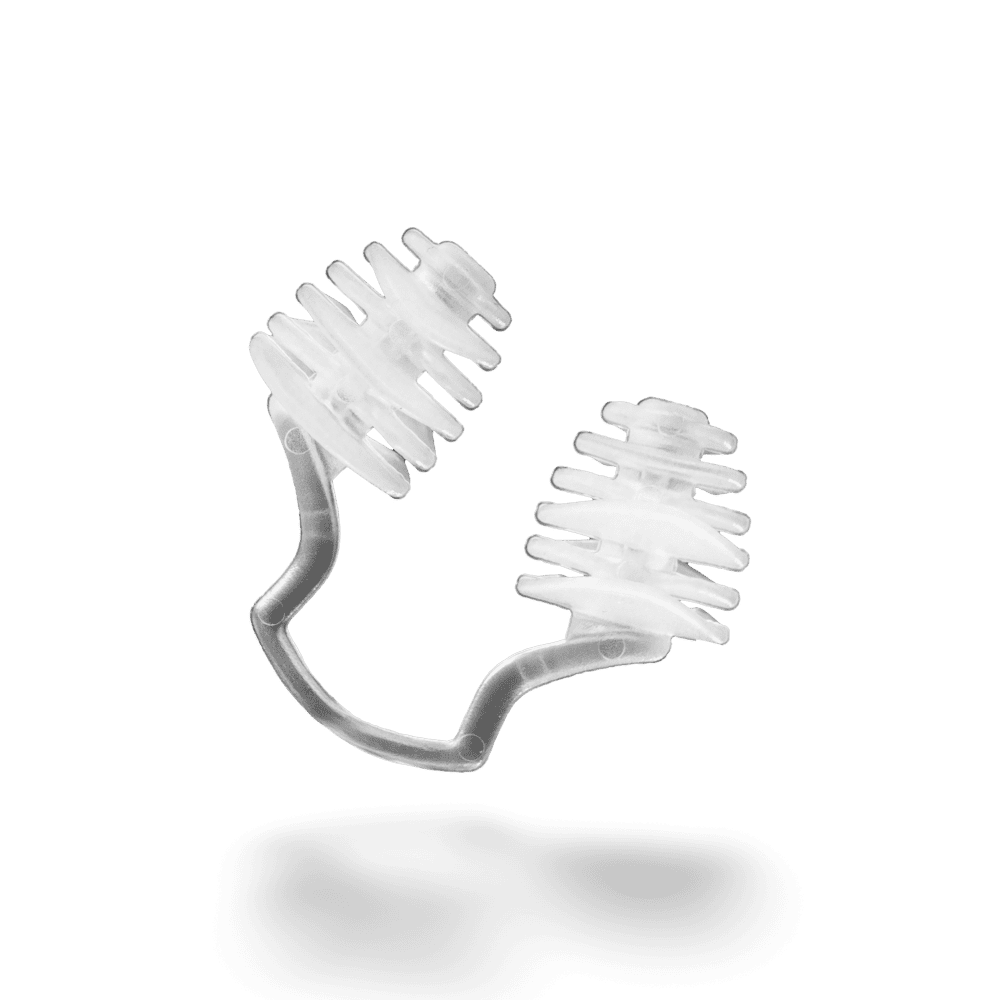
Odour protection for the nose – often also referred to as nose plugs, nasal plugs or nose stoppers – is a simple yet effective solution for reducing unpleasant smells in everyday working environments. These are small, ergonomically shaped inserts that are placed directly into the nostrils, where they filter part of the inhaled air or significantly reduce the perception of odours.
Unlike respiratory masks, the primary focus of nose plugs is not protection against particles, viruses or hazardous substances, but rather subjective odour protection. They are used wherever strong, unpleasant or burdensome smells occur – for example in care settings, cleaning tasks or food processing.
Modern odour protection for the nose is often made from skin-friendly, flexible materials such as TPE (thermoplastic elastomers). This material is elastic, adapts well to the shape of the nose and ensures a comfortable fit – even during prolonged use. At the same time, many variants are latex-free, reducing the risk of allergic reactions.
A key distinction exists between neutral nose plugs and variants with added fragrance, such as menthol nose plugs. These additionally mask unpleasant smells with a fresh, cooling scent and are therefore specifically used in environments with strong odour exposure.
Typical features of nose plugs for odour protection:
- discreet and unobtrusive in use
- quick to apply without significant effort
- hygienic – often individually wrapped
- designed for single use
- suitable for various professional groups
Within the AMPri range, such products are available as part of the head protection programme and have been specifically developed for professional applications – for example for care staff, cleaning personnel or laboratory environments.
It is important to clearly differentiate: nose plugs for odour protection do not replace respiratory protection in accordance with PPE regulations, but are used exclusively for comfort and the reduction of odour exposure in the workplace.
Who are nose plugs for odour protection suitable for?
Nose plugs as odour protection for the nose are primarily used in working environments where employees are regularly exposed to intense or unpleasant smells. The focus is less on hazard prevention and more on working comfort, concentration and psychological relief in everyday tasks.
Especially in sectors with consistently high odour exposure, nose plugs against unpleasant smells can make a noticeable difference – both for skilled staff and for temporary workers or visitors.
Care and healthcare
In care facilities, hospitals or outpatient settings, odours are part of everyday work. Whether during wound care, personal hygiene or handling bodily excretions – the burden can be significant.
Here, nose plugs offer a discreet way to reduce odour perception without restricting communication or workflow. Menthol variants are particularly popular, as they additionally provide a fresh sensory impression.
Cleaning and waste management
Cleaning staff, particularly in sanitary areas, waste zones or industrial cleaning environments, are regularly exposed to strong smells.
Nasal plugs or nose stoppers enable more comfortable working conditions, especially during longer assignments or in poorly ventilated areas.
Food processing
Intense odours can also occur in the food industry – for example during the processing of fish, meat or certain raw materials.
Odour protection for the nose helps employees to concentrate better on their tasks and reduces fatigue caused by constant exposure to smells.
Laboratory and technical fields
Unpleasant odours may also occur in laboratories, the chemical industry or technical processes – even if they are not necessarily harmful to health.
Here, nose plugs against odours are used as a supplementary measure to improve working conditions. However, it remains essential that appropriate, certified respiratory protection is used where potentially hazardous substances are present.
In summary, nose plugs are useful wherever:
- odours are perceived as disturbing or burdensome
- no mandatory respiratory protection is required
- a quick and uncomplicated odour protection solution is desired
They are therefore a typical product for many professional applications – from care to industry – and complement existing hygiene concepts effectively.
What advantages do nose plugs offer as odour protection?
Nose plugs are a straightforward yet effective solution when it comes to odour protection for the nose in everyday work. Their main advantage lies in their ability to specifically reduce odour perception without restricting freedom of movement or communication.
Compared to other protective measures, nose plugs against odours are particularly easy to implement and require neither complex adjustments nor training. This makes them a practical companion across many professions.
A key benefit is the noticeable reduction of unpleasant smells. Especially in environments with constant odour exposure – such as care, cleaning or food processing – this can significantly improve working conditions. Employees often report better concentration and reduced strain during their daily work.
Another advantage is the high level of wearing comfort offered by modern nose plugs. Flexible materials such as TPE adapt to the individual shape of the nose and ensure a comfortable fit, even during extended use. At the same time, many variants are designed to remain securely in place without causing pressure points.
An additional important aspect is hygienic application. Many products are individually wrapped and intended for single use. This allows for easy and clean handling – a clear benefit in sensitive areas such as healthcare or the food industry.
Menthol nose plugs are particularly popular, as they provide an additional effect beyond odour reduction: they mask unpleasant smells with a fresh, cooling scent. This is often perceived as significantly more pleasant, especially in environments with strong odours.
In summary, nose plugs offer the following advantages:
- reduction of disturbing odours in the working environment
- discreet and unobtrusive use
- high wearing comfort due to flexible materials
- hygienic thanks to single use and individual packaging
- ready for immediate use without preparation
- optionally with menthol for an additional freshness effect
This makes nose plugs, nasal plugs or nose stoppers a valuable addition in many working environments where odours are not hazardous but continuously burdensome.
Nose plugs with menthol: what are the benefits?
In addition to classic variants without added fragrance, nose plugs with menthol are a particularly sought-after solution in the field of odour protection. They combine the mechanical reduction of odours with an additional sensory effect: a fresh, slightly cooling scent that significantly alters perception.
The difference lies primarily in subjective perception. While conventional nose plugs against odours reduce the intensity of unpleasant smells, menthol nose plugs also mask these odours. This can be perceived as considerably more pleasant, particularly in environments with strong odour exposure.
Menthol is well known from medical and cosmetic products. It creates a cooling sensation in the nose and is often described as “clearing” or “refreshing”. This exact effect is deliberately utilised in menthol nose plugs.
Typical advantages of menthol nose plugs:
- masking of unpleasant odours with a fresh scent
- subjectively cooling effect for more comfortable breathing
- particularly suitable for intense odour sources
- supports concentration by reducing odour exposure
Especially in areas such as care, cleaning or waste management, many users deliberately choose this variant as it can noticeably облегч improve daily work.
At the same time, it should be noted that menthol is not equally suitable for all users. In sensitive environments or in cases of fragrance sensitivity, neutral nose plugs may be the better choice. The decision therefore depends largely on individual preference and the specific application.
Within the AMPri range, corresponding products are available that are latex-free and phthalate-free and are often supplied individually wrapped – combining hygiene, comfort and practical usability in professional settings.
Materials and properties
The quality and functionality of nose plugs against odours largely depend on the materials used and their processing. Particularly in professional environments – such as care, cleaning or the food industry – skin compatibility, flexibility and hygiene play a decisive role.
A commonly used material is TPE (thermoplastic elastomers). This is a modern material that combines the advantages of rubber and plastic. TPE is flexible, elastic and adapts well to the individual shape of the nose, ensuring a secure fit without causing discomfort.
Another important aspect is latex-free design. Many users are sensitive to latex proteins (Type I allergy). High-quality nose plugs are therefore deliberately manufactured without latex and provide a safe alternative for allergy sufferers.
In addition, products are often phthalate-free. Phthalates are plasticisers that may be present in certain plastics. “Phthalate-free” means these substances are not used – an important factor for safe products, especially in direct contact with the skin.
A key quality feature is also hygienic packaging. Many nose plugs are individually wrapped, offering several advantages:
- hygienic removal without risk of contamination
- ideal for use in sensitive environments
- practical for mobile use or changing workplaces
Furthermore, nose plugs are generally designed as single-use products. This means they are disposed of after use, supporting a high level of hygiene and reducing the risk of cross-contamination.
An overview of the key material and product characteristics:
| Property | Relevance for use |
|---|---|
| TPE material | flexible, adaptable, comfortable |
| Latex-free | suitable for allergy sufferers |
| Phthalate-free | safer for health |
| Individually wrapped | hygienic and practical |
| Single-use product | no reuse, high hygiene standards |
Within the AMPri range, corresponding nose plugs with and without menthol are available that meet these requirements and are designed for professional use.
Odour protection for the nose: limitations and realistic expectations
As helpful as nose plugs against odours are in everyday work, it is essential to understand their limitations. They are intended solely for the reduction and masking of odours – not for protection against harmful substances.
The most important point: nose plugs are not respiratory protection. They do not meet the requirements for personal protective equipment (PPE) according to standards such as EN 149 (respiratory masks). This means they provide no reliable protection against particles, gases, vapours or microorganisms.
Their effect is based on two principles:
Firstly, the airflow into the nose is slightly altered, reducing the intensity of perceived odours. Secondly – particularly with menthol nose plugs – unpleasant smells are masked by a fresh scent. This improves subjective comfort but does not replace protective functionality.
This distinction is particularly important in professional environments. Nose plugs are suitable in the following situations:
- for disturbing but non-hazardous odours
- to improve working comfort
- as a supplement to existing hygiene measures
They are not suitable:
- when exposed to hazardous chemicals or vapours
- in the presence of biological risks, e.g. infectious aerosols
- as a substitute for certified respiratory protection
In such cases, appropriate, standards-compliant protective equipment is always required, such as FFP masks or specialised respiratory systems.
Another factor is individual perception. The effect of odour protection for the nose can vary from person to person. While some users experience significant relief, others may perceive a lesser effect. Factors such as odour intensity, duration of use and individual sensitivity all play a role.
In summary: nose plugs are a comfort solution – not a safety product in the context of respiratory protection. When used correctly, however, they can significantly improve everyday working conditions and reduce the burden of unpleasant smells.
Areas of application in everyday professional use
Nose plugs against odours are a practical aid in many industries to make everyday work more comfortable. Wherever strong smells occur, they help reduce the burden and make it easier to focus on the task at hand.
In professional environments in particular, odour protection for the nose not only increases comfort but can also positively influence work quality.
Care and healthcare
In inpatient and outpatient care, odours are part of everyday life. During wound care, personal hygiene or handling bodily fluids, odour exposure can be considerable.
Nose plugs enable discreet work close to patients without the situation being perceived as unpleasant. This supports both professionalism and respectful interaction.
Cleaning and hygiene
Cleaning staff often work in areas where odours accumulate – such as sanitary facilities, waste rooms or industrial sites.
Nose stoppers or nasal plugs offer a simple way to improve working conditions, particularly during longer shifts or at varying locations.
Food industry and catering
During food processing – for example fish, meat or fermented products – very intense odours can arise.
Odour protection for the nose helps reduce sensory strain and supports concentration on hygienic and precise workflows.
Laboratory, industry and technical fields
Odours frequently occur in laboratories or technical environments that are not necessarily hazardous but can still be disturbing.
Nose plugs against odours are used here as a supplementary measure to create a more pleasant working environment – always on the condition that no hazardous substances are present requiring certified respiratory protection.
Additional areas of application
Nose plugs are also used in other situations, such as:
- waste disposal and refuse handling
- animal care or veterinary medicine
- temporary odour exposure in everyday situations
The key advantage: nose plugs are ready for immediate use and highly versatile – regardless of industry or location. They complement existing hygiene concepts and provide a simple solution to a frequently underestimated workplace issue.
Product recommendations from AMPri
For professional use, AMPri offers specifically developed nose plugs against odours tailored to the requirements of everyday work. Particular emphasis is placed on hygiene, wearing comfort and material compatibility.
Below are two typical product variants from the range:
AMPri nose plugs with menthol
Item no.: 110901
- with menthol for a fresh, cooling scent effect
- latex-free and phthalate-free – suitable for sensitive skin
- individually wrapped for maximum hygiene
- ideal for care, cleaning and odour-intensive environments
AMPri nose plugs (neutral)
Item no.: 110903
- without added fragrance – suitable for users sensitive to scents
- flexible material for a comfortable fit
- hygienic and easy to use
- versatile application in healthcare, industry and food sectors
Both variants are designed for single use and can be applied quickly and easily. Thanks to individual packaging, they are particularly suitable for sensitive environments with high hygiene standards.
The choice between neutral and menthol nose plugs depends largely on individual preference and the specific application. While menthol variants are preferred in environments with strong odours, neutral products offer a subtle alternative without added fragrance.
FAQ
What do nose plugs against odours do?
Nose plugs reduce the perception of unpleasant smells by influencing airflow in the nose and diminishing odour stimuli. Variants with menthol additionally mask odours with a fresh scent.
Are nose plugs a form of respiratory protection?
No, nose plugs are not respiratory protection in the sense of PPE. They do not protect against harmful substances, particles or microorganisms and are used solely for odour control and working comfort.
When are nose plugs useful?
They are particularly useful in the presence of strong but non-hazardous odours – for example in care, cleaning, food processing or laboratory environments.
What is the difference between neutral and menthol nose plugs?
Neutral nose plugs reduce odours without additional fragrance. Menthol nose plugs also provide a fresh, cooling scent and mask unpleasant smells more effectively.
Are nose plugs suitable for allergy sufferers?
Many modern nose plugs are latex-free and therefore suitable for individuals with latex allergies. Additionally, look for features such as “phthalate-free” for improved skin compatibility.
How long can nose plugs be worn?
The duration of use depends on individual comfort. As they are generally single-use products, they should be disposed of after use and not reused.
Are nose plugs hygienic?
Yes, particularly when individually wrapped. This allows for clean handling and immediate use – ideal for sensitive working environments.
Can nose plugs completely block odours?
No, they significantly reduce odour intensity but do not completely block smells. The effect may also vary between individuals.
Are there nose plugs specifically for professional use?
Yes, for example within the AMPri range. These products are designed for requirements in care, industry and hygiene and meet соответствing material and hygiene standards.
Can nose plugs also be used in everyday life?
In principle yes, for example during temporary exposure to unpleasant smells. However, the primary focus is on professional use in odour-intensive working environments.