











Mouth Protection & Mouth-Nose Protection
- Products
- About us
- yellow
- blue
- cedro
- orange
- green
- purple
- mix
- pink
- bordeaux
- white
- blue
- white
- green
- blue
- green
- white
- white
- green
- blue
Face masks & medical masks: reliable protection for practices, care settings and everyday use
- Face masks & medical masks
- What is a medical face mask?
- Surgical mask, medical face mask and FFP2 mask: the key differences
- EN 14683 standard explained simply: Type II and Type IIR
- Quality & filtration performance: what to look for in face masks
- Materials, structure and wearing comfort of disposable masks
- Face masks for spectacle wearers: reduced fogging with Fogstop technology
- Colours, variants and fastenings
- Areas of application
- AMPri product recommendations for face masks & surgical masks
- FAQ
Face masks, medical masks or medical face masks are now indispensable in many areas of everyday life. Whether in doctors’ surgeries, hospitals, care settings, laboratories or hygiene-sensitive areas of the food industry – they make an important contribution to infection protection and general hygiene.
In professional environments, medical masks primarily serve to protect others. This means they reduce the release of droplets that may be produced when speaking, coughing or breathing. At the same time, high-quality products also offer a degree of personal protection, particularly due to their multi-layer structure and tested filtration performance.
Disposable masks – often also referred to as surgical masks or medical face masks – are designed to be comfortable to wear in everyday medical practice. Typical features include:
- multi-layer structure made from non-woven material
- integrated nose clip for a better fit
- ear loops or ties
- high wearing comfort combined with reliable filtration performance
However, the wide variety of terms such as face mask, surgical mask, hygiene mask or medical disposable mask can quickly lead to uncertainty. Added to this is a broad range of qualities, colours and designs – from classic blue or white masks to black or coloured variants for different areas of use.
As an experienced partner in the field of medical disposable products, AMPri offers a broad range of face mask solutions – from classic surgical masks to specialised variants such as Fogstop masks for spectacle wearers or masks with special comfort features.
This category text helps you understand the differences, classify relevant standards and select the right face mask for your needs – both for professional use and private use.
What is a medical face mask?
A medical face mask – often also referred to as a surgical mask or simply a medical mask – is a specially developed disposable product primarily used to reduce droplet transmission. It covers the mouth and nose, thereby forming a physical barrier between the wearer and the surrounding environment.
Unlike simple fabric masks or non-certified hygiene masks, medical face masks are regulated medical devices. This means that production, material and performance are subject to clearly defined European requirements, particularly the EN 14683 standard.
The main function lies in what is known as protection of others. Medical masks prevent potentially infectious particles – for example when speaking, coughing or sneezing – from being released unhindered into the surrounding environment. This means they particularly protect patients, colleagues or customers in sensitive areas such as:
- doctors’ surgeries and hospitals
- care facilities
- dental practices
- laboratories
- food processing
In addition, high-quality face masks also offer a medical barrier function due to their multi-layer structure by reducing particles from the ambient air.
Medical masks typically consist of several layers of non-woven material and are designed to:
- fit closely around the nose and face
- ensure good breathability
- provide tested filtration performance at the same time
An integrated nose clip ensures that the mask can be adjusted individually, while ear loops or ties provide a secure hold.
It is important to make a clear distinction: a medical face mask is not a respirator such as an FFP2 or FFP3 mask. While FFP masks primarily serve personal protection and filter the finest particles from the air, the focus of surgical masks is on hygiene and protection of others in medical environments.
In professional use – for example in clinics, care settings or dental practices – medical face masks are therefore an indispensable component of standardised hygiene concepts.
Surgical mask, medical face mask and FFP2 mask: the key differences
The terms surgical mask, medical face mask, medical mask or even FFP2 mask are often used synonymously in everyday language. In fact, however, these are different types of mask with clearly defined areas of application and protective functions.
The most important difference lies in the protection objective: while classic medical masks primarily protect others, FFP masks are designed for personal protection.
The most important mask types at a glance
| Mask type | Protective effect | Standard | Typical areas of application |
|---|---|---|---|
| Surgical mask / medical face mask | Protection of others, medical barrier function | EN 14683 | Medicine, care, food sector |
| FFP2 mask | High level of personal protection + protection of others | EN 149 | Infection protection, occupational safety, risk areas |
Surgical masks and medical face masks
The classic medical face mask – often also referred to as a surgical mask – is mainly used to protect the surrounding environment from droplets released by the wearer. It is therefore a central component of hygiene concepts in:
- doctors’ surgeries
- hospitals
- care facilities
- dental practices
Thanks to their multi-layer structure, these masks additionally offer a certain degree of personal protection, without, however, achieving the filtration performance of an FFP mask.
FFP2 masks as respiratory protection
FFP2 masks belong to the category of personal protective equipment (PPE) and are designed to protect the wearer. They also filter very small particles from the air and fit significantly more closely to the face.
Typical characteristics include:
- tested filtration performance for fine particles
- tight fit without lateral leakage
- use where there is an increased risk of infection or exposure to harmful substances
Why the distinction is important
Especially when purchasing masks – for example with search queries such as “buy medical mask”, “black surgical mask” or “best face mask” – it is crucial to know what protection is actually required.
For many everyday and professional applications, a high-quality medical face mask in accordance with EN 14683 is entirely sufficient. In areas with increased risk, however, FFP2 masks should be used specifically.
AMPri offers both categories in its range – from classic surgical masks to tested FFP2 masks for professional use.
EN 14683 standard explained simply: Type II and Type IIR
Anyone who buys medical face masks or uses them in a professional environment will inevitably come across the EN 14683 standard. It is the central quality benchmark for so-called medical face masks in Europe and defines which requirements a product must meet in order to be used in the medical sector.
Put simply, the standard defines how well a mask filters, how breathable it is and whether it offers additional protection against liquids.
The three mask types according to EN 14683
| Type | Filtration performance (BFE) | Special feature | Typical use |
|---|---|---|---|
| Type I | ≥ 95 % | Basic protection | Limited use, e.g. visitors |
| Type II | ≥ 98 % | High filtration performance | Medicine, care, everyday use with increased hygiene requirements |
| Type IIR | ≥ 98 % | Additional splash protection (resistant to liquids) | Operating theatre, dental practice, situations involving blood or secretions |
What exactly does BFE mean?
The abbreviation BFE stands for Bacterial Filtration Efficiency. It indicates how many bacteria are retained by the mask material.
A value of ≥ 98 % means: the mask filters at least 98 % of the tested bacteria-containing aerosol challenge under defined laboratory conditions in accordance with EN 14683.
Why Type IIR is often the standard in the medical sector
In many professional applications – for example in surgery, dentistry or care – Type IIR is preferred. The reason is the additional splash protection, which protects against potentially infectious liquids.
This additional protection is crucial, especially when working in close contact with patients or where there is increased exposure to bodily fluids.
Further important requirements of EN 14683
In addition to filtration performance, the standard also tests:
- Differential pressure (breathability): how easy it is to breathe through the mask
- Microbial cleanliness: how clean the product is on delivery
- Material quality and workmanship
Only when all criteria are met may a mask be placed on the market as a medical face mask in accordance with EN 14683.
AMPri exclusively offers masks that meet these requirements and are therefore suitable for professional use – for example in medicine, care or hygiene-critical areas.
Quality & filtration performance: what to look for in face masks
Not every mask that looks like a medical face mask actually meets the required protection standards. Particularly during the coronavirus pandemic, numerous products entered the market that visually resembled classic surgical masks but did not provide the necessary filtration performance or the correct material structure. For purchasers and users, it is therefore essential to recognise and assess quality differences correctly.
A key quality indicator is the so-called bacterial filtration efficiency (BFE). This describes how effectively the mask material filters bacteria from the air being breathed. Medical masks in accordance with EN 14683 must achieve clearly defined minimum values:
| Mask type | Filtration performance (BFE) | Practical relevance |
|---|---|---|
| Type I | ≥ 95 % | Basic protection, suitable only to a limited extent |
| Type II | ≥ 98 % | Standard for medical applications |
| Type IIR | ≥ 98 % + splash protection | Enhanced safety when working with liquids |
In addition to the percentage value itself, the material structure is crucial. High-quality disposable masks consist of several layers of non-woven material. The most important component is the middle filter layer (meltblown non-woven fabric). This special material ensures that even fine particles are reliably retained.
If this layer is missing – or if it is of poor quality – the protective effect is significantly reduced. This was precisely where many problems occurred in the past: masks without a genuine filter layer or with material that was too thin failed to achieve the required values, even though they appeared identical externally.
Another important factor is workmanship and fit. The filtration performance can only be effective if the mask fits correctly against the face. Gaps at the edges or poorly manufactured nose clips significantly reduce protection of others.
For reliable product selection, you should therefore pay attention to the following criteria:
- Marking in accordance with EN 14683 (Type II or Type IIR)
- CE marking as a medical device
- Multi-layer structure with meltblown filter fleece
- Specification of filtration performance (BFE ≥ 98 %)
- Clean workmanship and a stable nose clip
- Transparent manufacturer information and documentation
Particularly in professional environments – for example in medicine, care or food processing – tested quality is not an optional feature but a prerequisite for safe working processes.
As a certified supplier, AMPri relies on products compliant with standards, tested materials and seamless documentation throughout the supply chain. This ensures that the masks offered not only look convincing but also reliably provide the required protective performance.
Materials, structure and wearing comfort of disposable masks
The quality and protective effect of a face mask largely depend on its material and structure. High-quality medical masks are designed to provide an optimal balance of filtration performance, breathability and wearing comfort – a decisive factor, particularly during prolonged periods of use in professional environments.
The typical structure of medical masks
Disposable masks generally consist of three or four layers of polypropylene non-woven fabric (PP non-woven fabric). Each of these layers fulfils a specific function:
| Layer | Function |
|---|---|
| Outer layer | Repels liquids (e.g. splashes) |
| Middle layer (filter layer) | Filters particles and microorganisms (meltblown non-woven fabric) |
| Inner layer | Absorbs moisture, skin-friendly contact surface |
Four-layer masks include an additional protective or comfort layer that either increases filtration performance or improves wearing comfort – for example through better moisture absorption.
The meltblown layer already mentioned in the previous section is the decisive element for filtration performance. It consists of particularly fine fibres that bind particles both mechanically and electrostatically.
Overview of material properties
Polypropylene non-woven fabric is the standard in mask production for good reason:
- lightweight and breathable
- skin-friendly and generally latex-free
- dimensionally stable and tear-resistant
- efficient filtration performance (when correctly constructed)
These properties make it possible to wear masks for several hours without significantly compromising comfort or functionality.
Wearing comfort in professional use
In addition to the protective effect, wearing comfort also plays a decisive role – particularly in areas such as care, medicine or laboratories where masks should remain comfortable to wear over extended periods.
Important comfort features include:
- comfortable fit due to flexible nose clip
- soft, latex-free ear loops or ties
- low breathing resistance for comfortable breathing
- pleasant inner layer to reduce skin irritation
A well-fitting face mask not only contributes to comfort but also to safety: only when the mask fits correctly can it fully deliver its filtration performance.
For its mask solutions, AMPri relies on carefully selected materials and sophisticated construction to meet both the demands of professional use and users’ comfort requirements.
Face masks for spectacle wearers: reduced fogging with Fogstop technology
For many users – particularly in the medical sector, care settings or laboratories – spectacles are part of everyday equipment. In combination with a face mask, however, a well-known problem can quickly arise: fogged lenses caused by warm exhaled air.
This phenomenon occurs when exhaled air cannot sufficiently escape through the mask material and instead escapes upwards towards the eyes. In addition to impaired visibility, this can significantly affect both occupational safety and comfort.
Why do spectacles fog up at all?
Warm exhaled air meets the cooler surface of the spectacle lenses and condenses – creating a fine film of moisture. Masks particularly affected are those with:
- insufficient sealing around the nose area
- weak or non-mouldable nose clips
- poor fit
Solutions for fog-free vision
Modern face mask solutions offer targeted approaches to reduce or completely prevent this problem.
An important factor is a high-quality, flexibly adjustable nose clip that moulds the mask closely to the bridge of the nose. This prevents air from escaping uncontrollably upwards.
In addition, there are special masks with integrated Fogstop technology. These feature an additional barrier in the upper mask area that directs airflow in a controlled manner, thereby significantly reducing fogging of spectacles.
For example, AMPri offers multi-layer face masks with a so-called “Fogstop” effect, specifically developed for use with spectacles and designed to improve both comfort and functionality.
Further tips for spectacle wearers
In addition to choosing the right mask, small everyday adjustments can also help:
- carefully shape the mask around the nose clip
- position the spectacles slightly on top of the mask to hold it in place
- ensure the correct mask size and fit
- replace masks regularly to prevent moisture build-up
Particularly in professions involving long wearing times, a well-designed mask pays off. A face mask specifically tailored to the needs of spectacle wearers not only increases comfort but also contributes to focused and safe working.
Colours, variants and fastenings: surgical masks in white, blue, black, pink or tie-on versions
Modern face masks are no longer available only in classic blue or white. Particularly in professional environments and customer-facing applications, colour, design and wearing style are playing an increasingly important role – both functionally and visually.
Colours: more than just appearance
Today, colour selection serves not only aesthetic purposes but can also contribute to organisation and differentiation. Typical variants include:
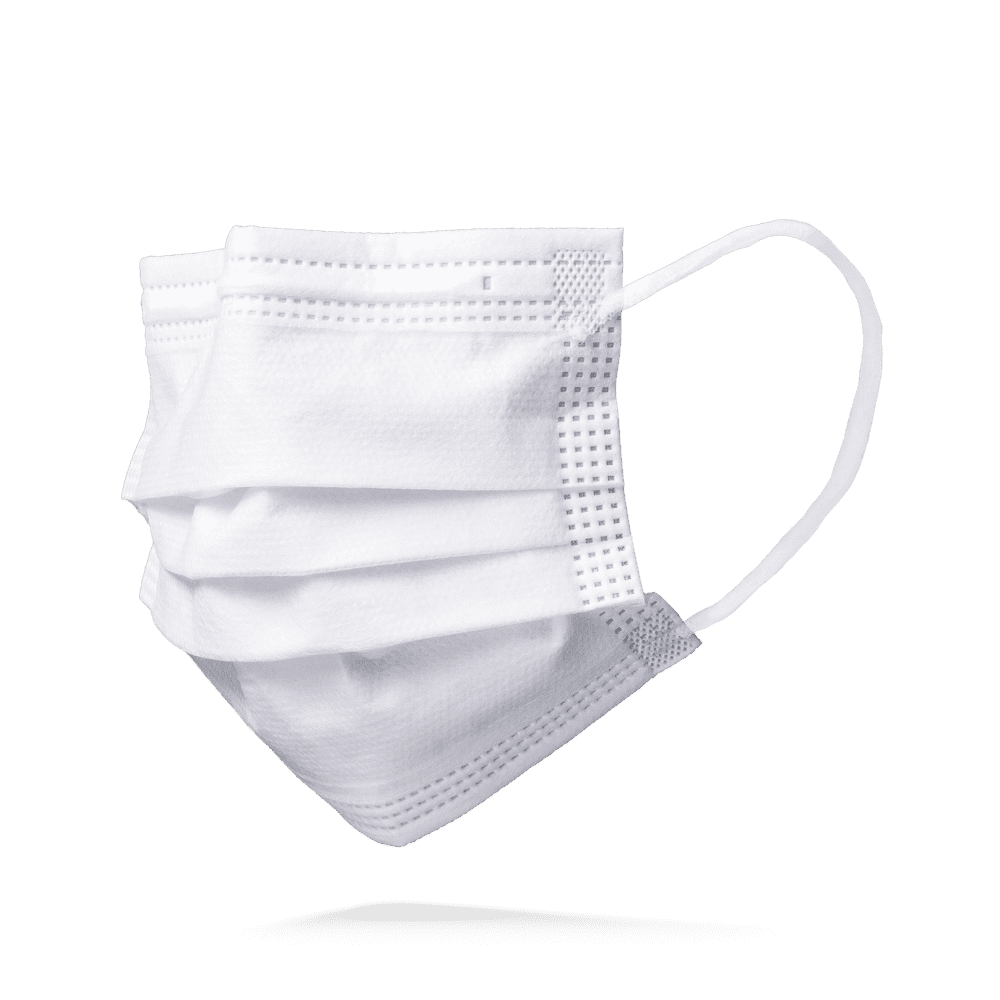
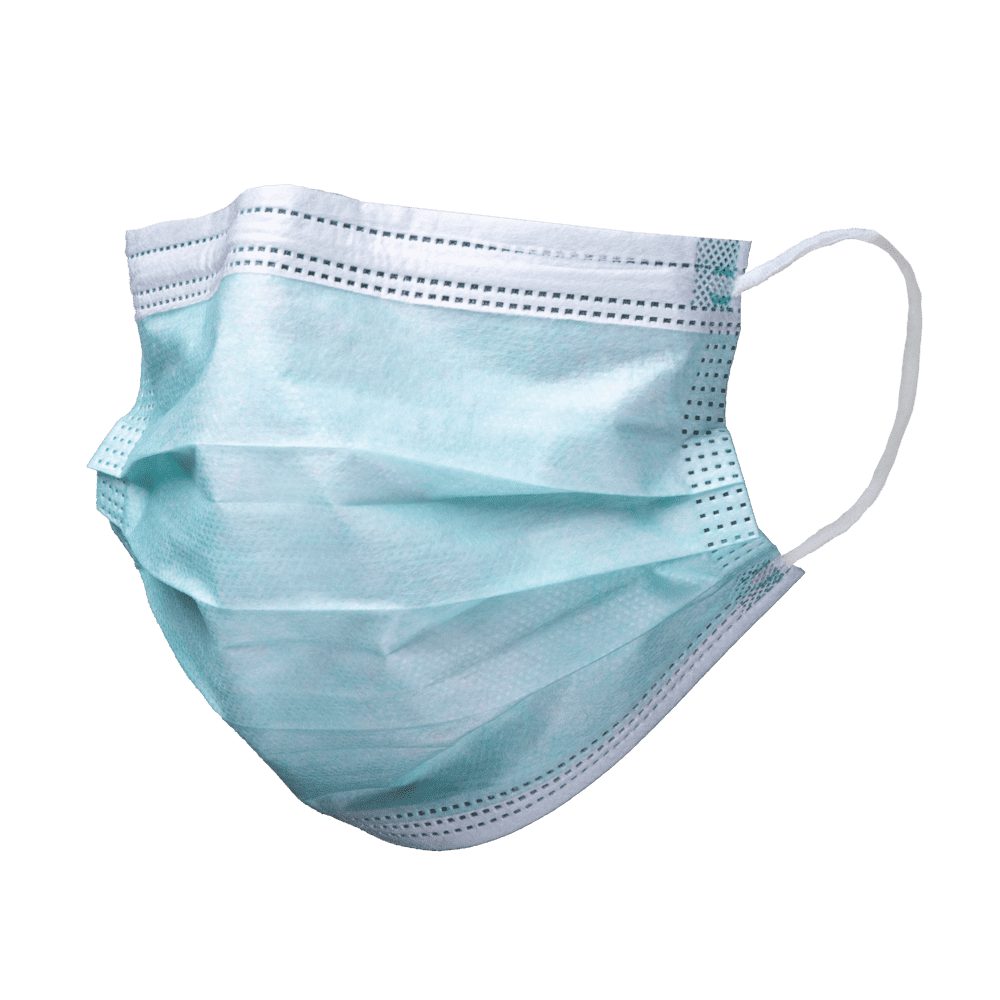
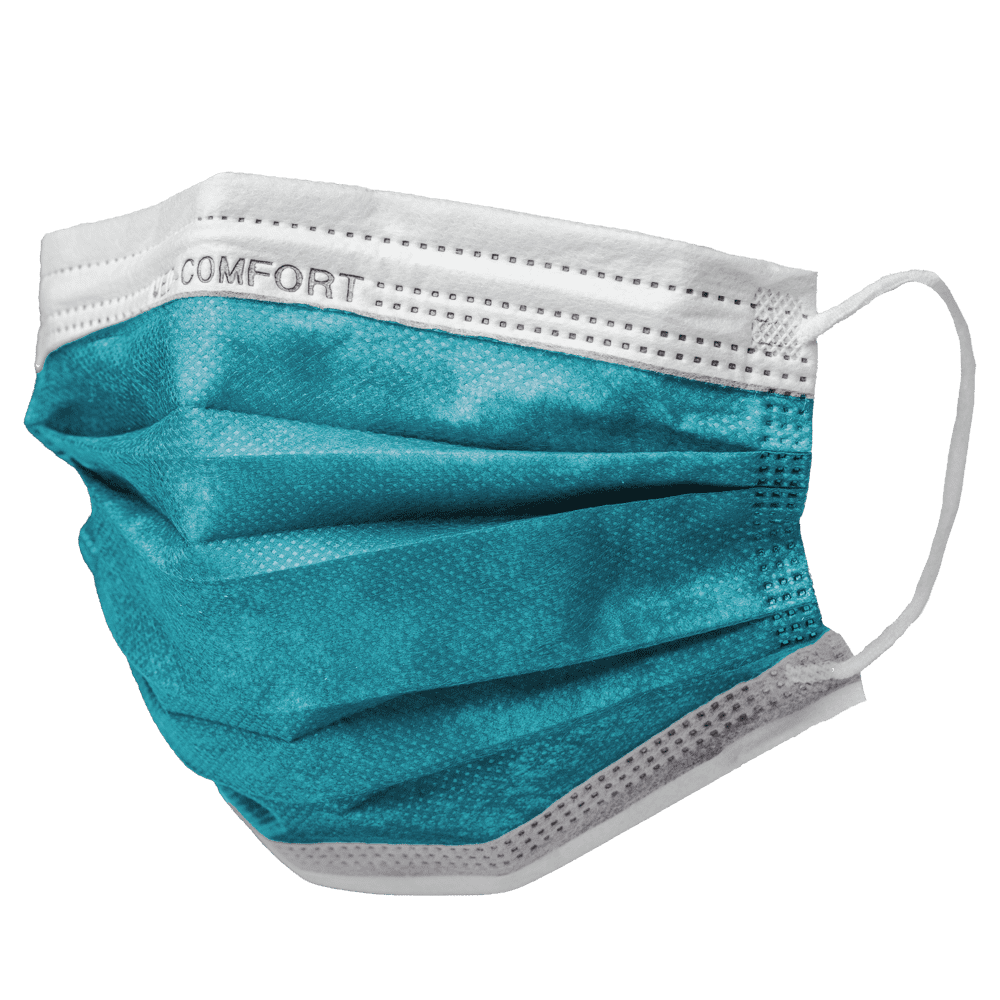
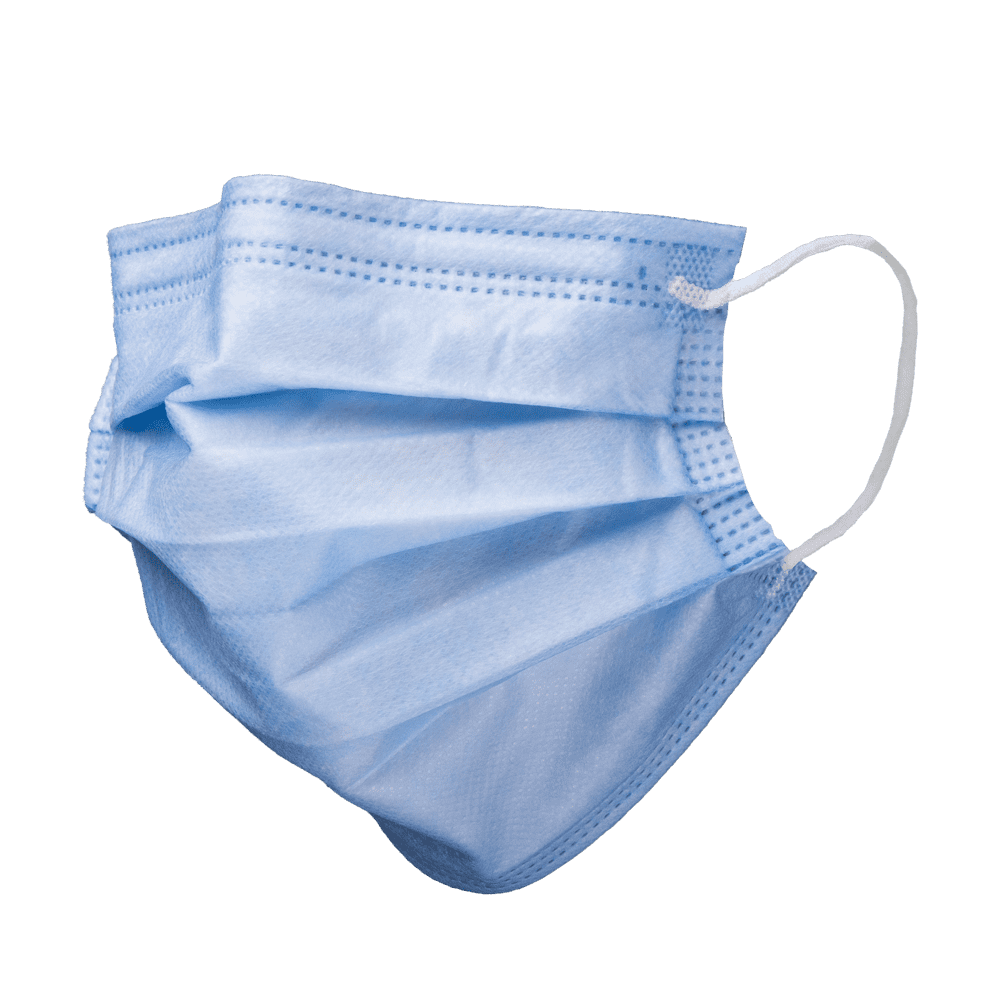
- Blue and white surgical masks: standard colours in the medical sector, neutral and professional
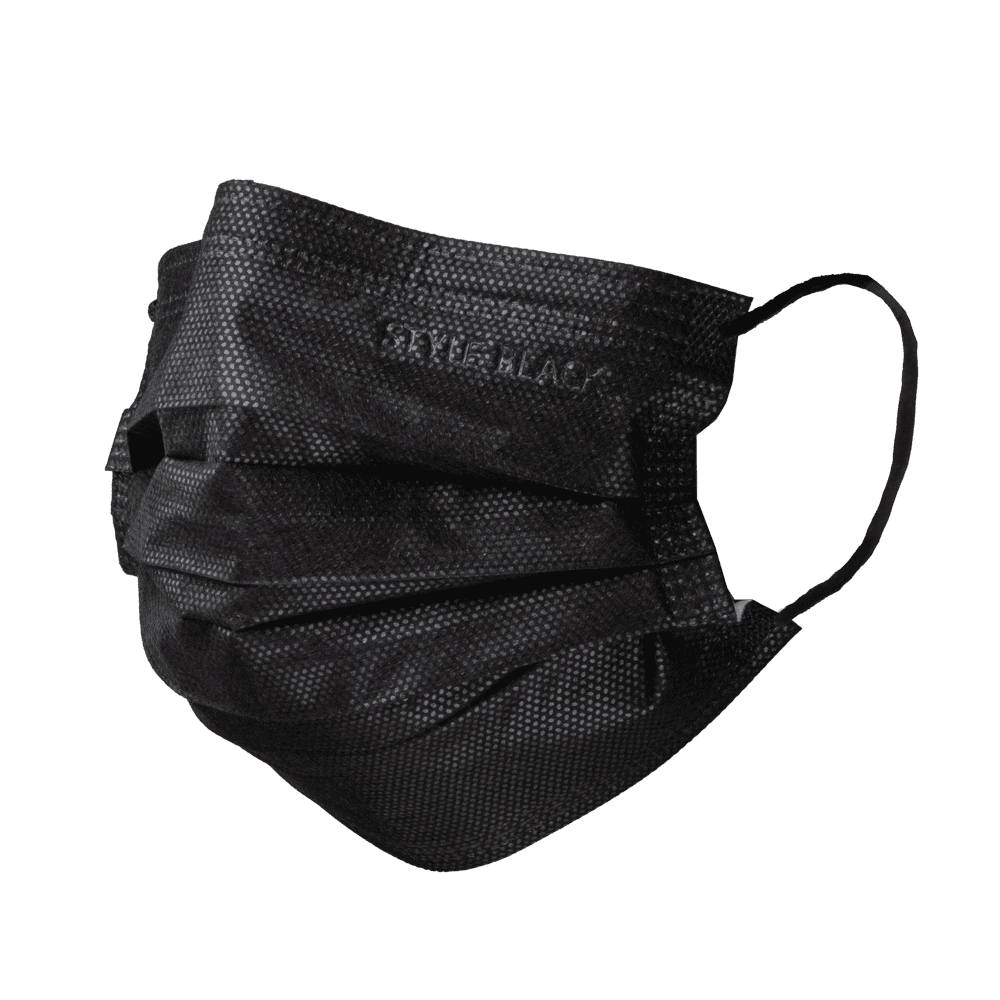
- Black face masks: particularly popular in cosmetics, tattoo studios or gastronomy
- Green surgical masks: classic in operating theatre environments
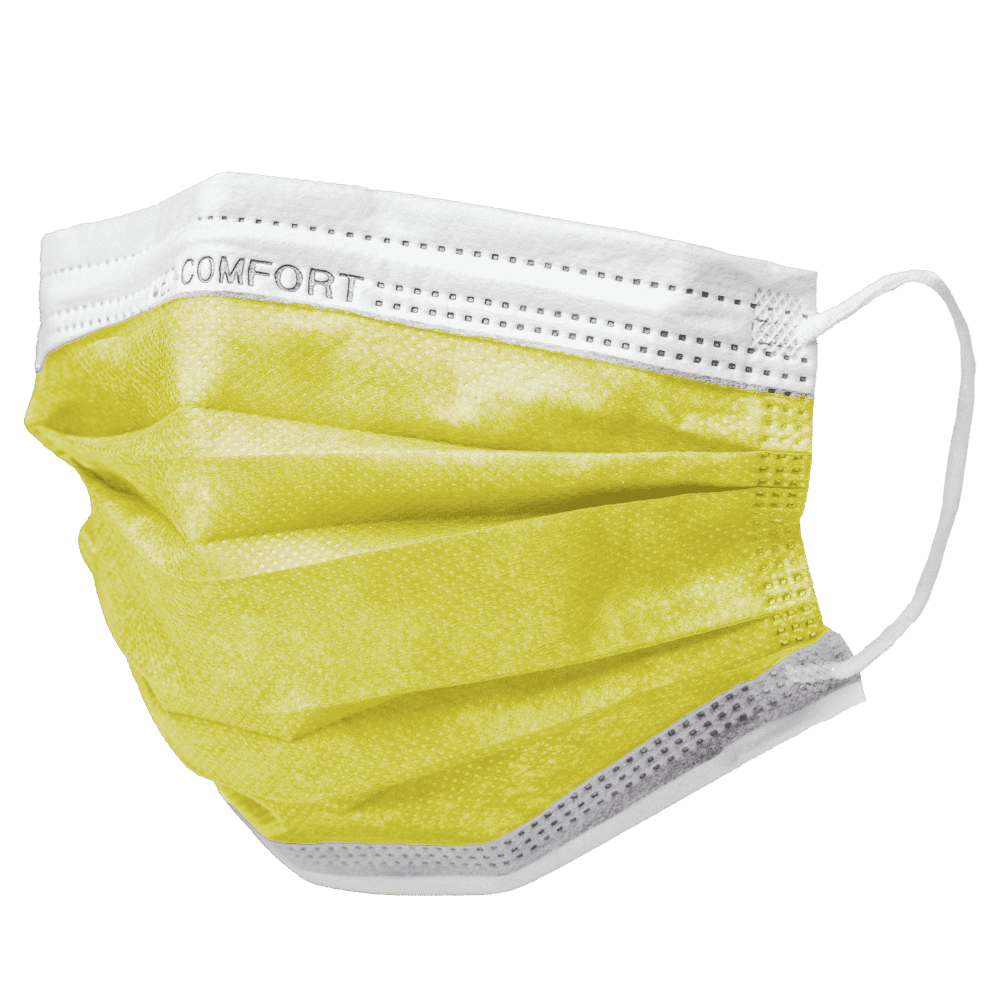
- Colourful or coloured face masks: for modern working environments or team identification
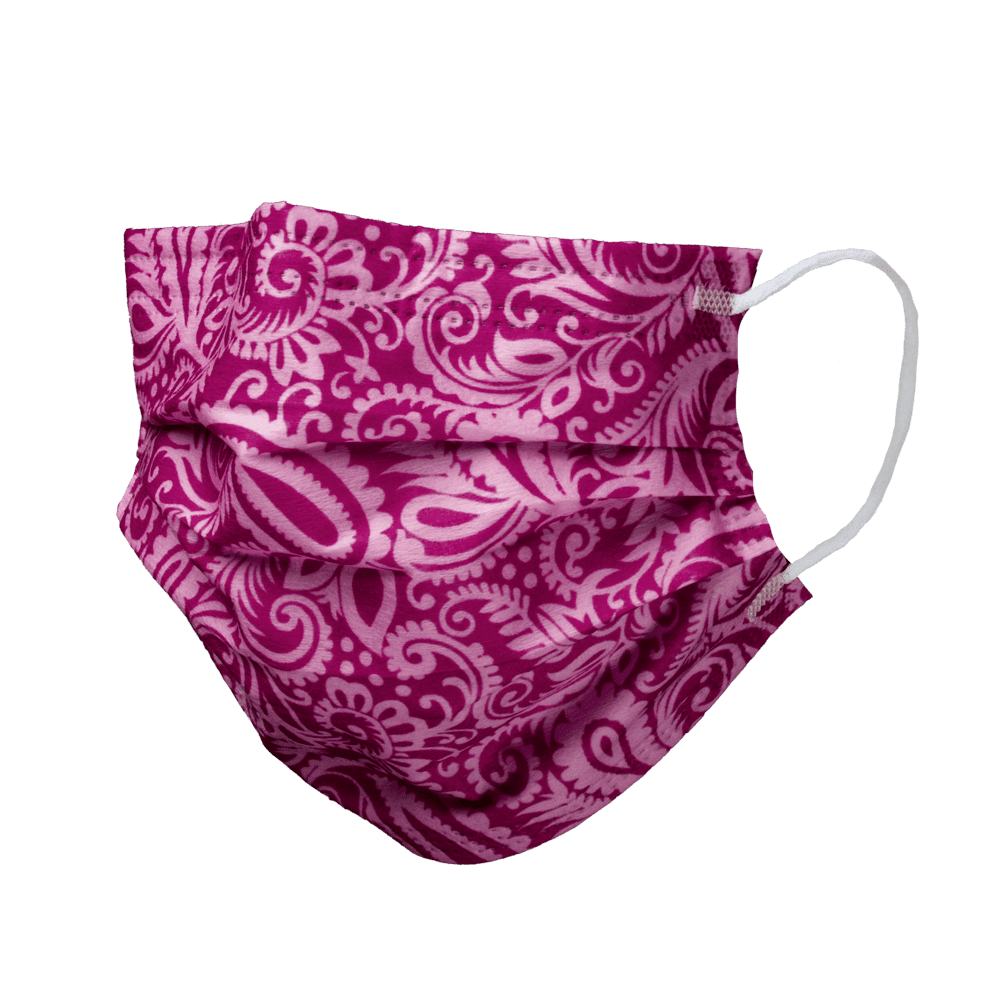
- Medical masks with patterns or motifs: particularly in patient-facing areas or for children
Coloured masks can, for example, be used to distinguish departments or support a deliberate brand appearance.
Fastening types: ear loops or ties
In addition to appearance, the fastening method is a decisive factor for comfort and area of application. A basic distinction is made between two variants:
| Variant | Characteristics | Typical use |
|---|---|---|
| Ear loops | Quick to put on, high level of comfort | Everyday use, care, surgeries |
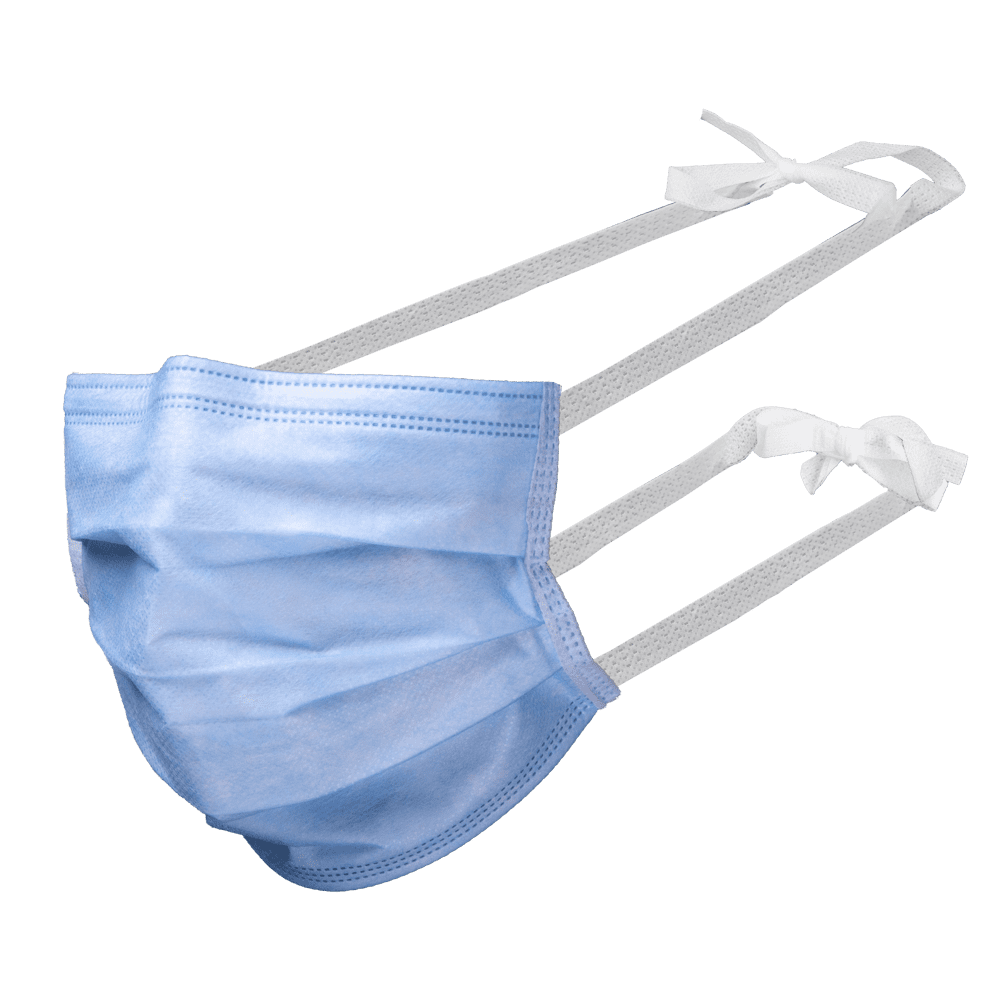
| Ties (tie-on) | Individually adjustable, very secure fit | Surgery, extended wearing periods |
Masks with tie-on fastenings often provide a more stable fit, particularly during prolonged use or activities involving a lot of movement. Variants with ear loops, on the other hand, are appreciated for their ease of handling in fast-paced working environments.
Further variants at a glance
In addition to colour and fastening type, there are numerous other differences that may be relevant depending on the intended application:
- 3-layer or 4-layer surgical masks (depending on protection requirements)
- Masks with reinforced nose clips for improved fit
- Latex-free materials for allergy sufferers
- Extra-soft inner layers for sensitive skin
- Mixed boxes with different colours for flexible use
AMPri offers a broad spectrum of face mask variants – from classic medical masks to coloured or specialised designs for different industries and requirements.
The right combination of functionality, comfort and appearance ensures that the face mask not only protects but also integrates optimally into the respective working environment.
Areas of application: medicine, dental practices, care, laboratories, cosmetics and the food sector
Medical face masks are versatile hygiene products that have become indispensable in numerous industries. Depending on the area of application, the requirements regarding filtration performance, wearing comfort, fit and additional features vary considerably. The selection of the right mask should therefore always be based on the specific intended use.
Medicine & hospitals
In hospitals and doctors’ surgeries, face masks are part of the standard equipment. Here, the focus is on protecting patients and staff. Type II or Type IIR surgical masks are frequently used, particularly in situations involving direct patient contact or sensitive areas such as:
- examination rooms
- pre-operative preparation
- isolation areas
Dental practices
In dentistry, exposure to aerosols and liquids is particularly high. For this reason, Type IIR face masks with splash protection are generally preferred. These reliably protect against saliva, blood and other secretions and are an integral part of every treatment procedure.
Care & nursing homes
In care facilities, not only infection protection but also wearing comfort over long periods is important. Masks must fit comfortably, remain breathable and at the same time provide high filtration performance. Variants with soft ear loops or optimised fit are especially in demand here.
Laboratories & hygiene-sensitive environments
In laboratories, face masks serve both to protect samples and personnel. Depending on the activity, precisely fitting masks with defined filtration performance are required in order to prevent contamination.
Cosmetics, tattoo & studio environments
In cosmetic applications, tattoo studios or hair salons, hygiene as well as appearance plays an important role. Black or coloured masks are particularly popular here because they integrate better into the overall visual concept.
Food industry & gastronomy
Face masks are also used in food processing and gastronomy to prevent the transfer of germs onto products. Here, hygiene regulations and ease of handling are the primary focus. Masks with ear loops are often the practical choice for quick changes during everyday work.
AMPri offers suitable solutions for all of these application areas – from classic medical masks to specialised variants for different requirements and industries.
Selecting the right face mask contributes significantly to maintaining hygiene standards, securing processes and building trust among patients, customers and partners.
AMPri product recommendations for face masks & surgical masks
For different areas of application, AMPri offers a broad range of medical face masks – from classic surgical masks to specialised solutions for enhanced comfort or particular workplace requirements.
Below you will find selected product types from the AMPri range that have proven themselves in practice:
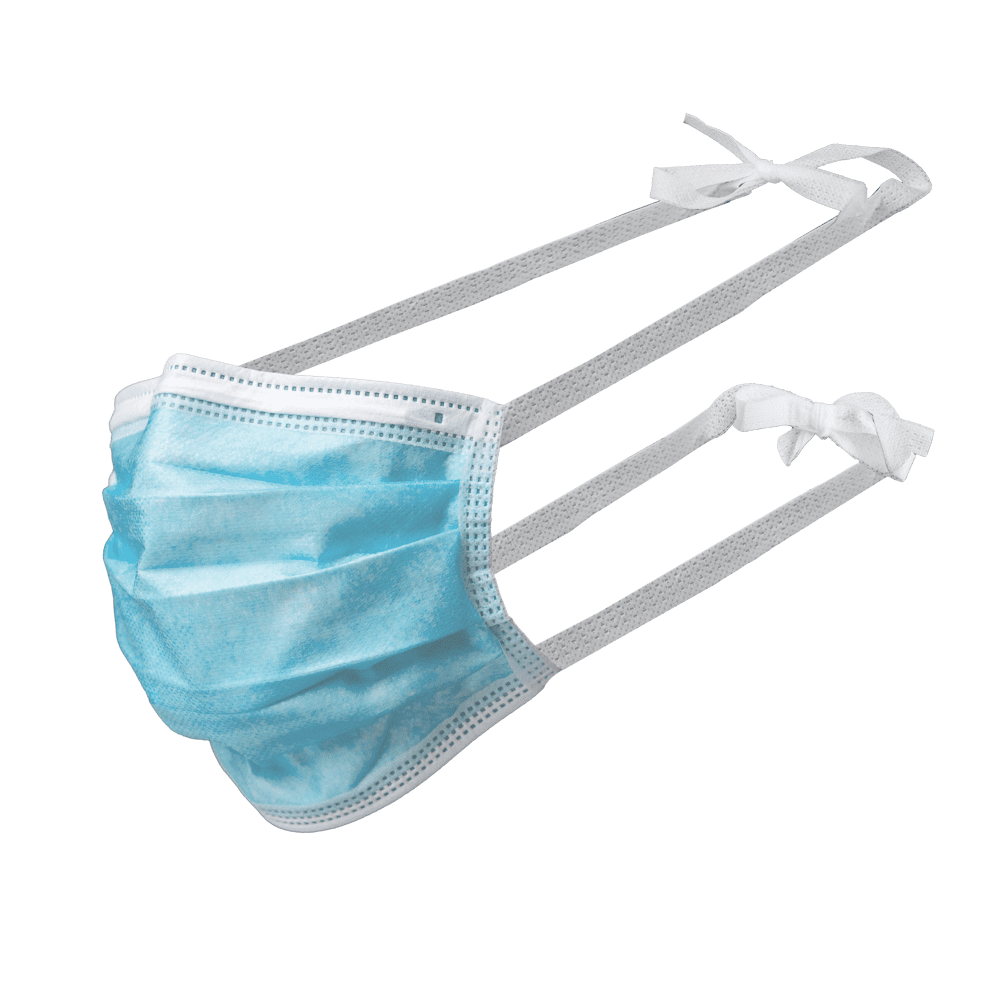
MED-COMFORT Face Mask Type IIR (3-layer)
- reliable filtration performance in accordance with EN 14683
- integrated nose clip for an optimal fit
- classic surgical mask for surgeries, care settings and hospitals
- tie-on version for secure fastening
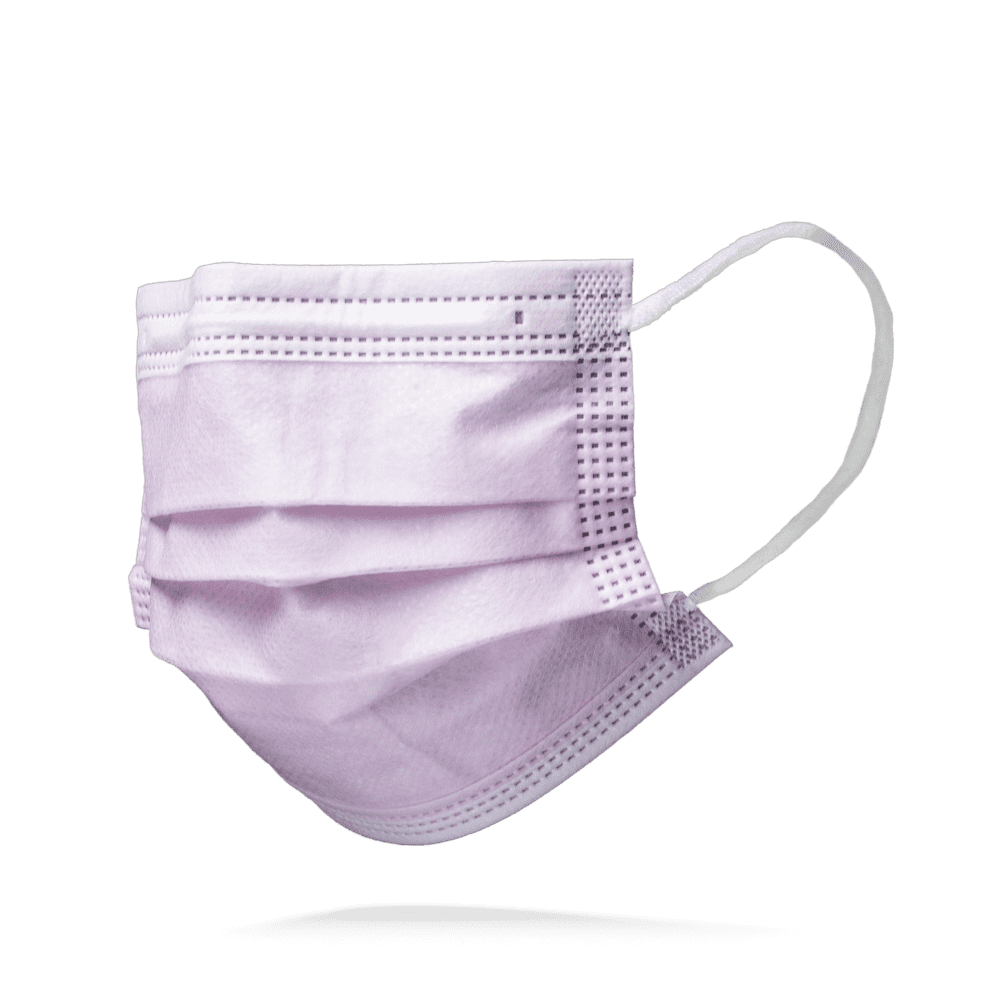
MED-COMFORT Face Mask Type IIR (Ear loops)
- comfortable ear loops for quick application
- 3-layer structure with tested filtration performance
- ideal for care, everyday use and the food sector
- also available as a mixed box with different colours
MED-COMFORT FOGSTOP Face Mask Type IIR
- special Fogstop technology for spectacle wearers
- significantly reduces fogging of spectacles
- 4-layer structure for enhanced comfort
- available with either ear loops or tie-on fastenings
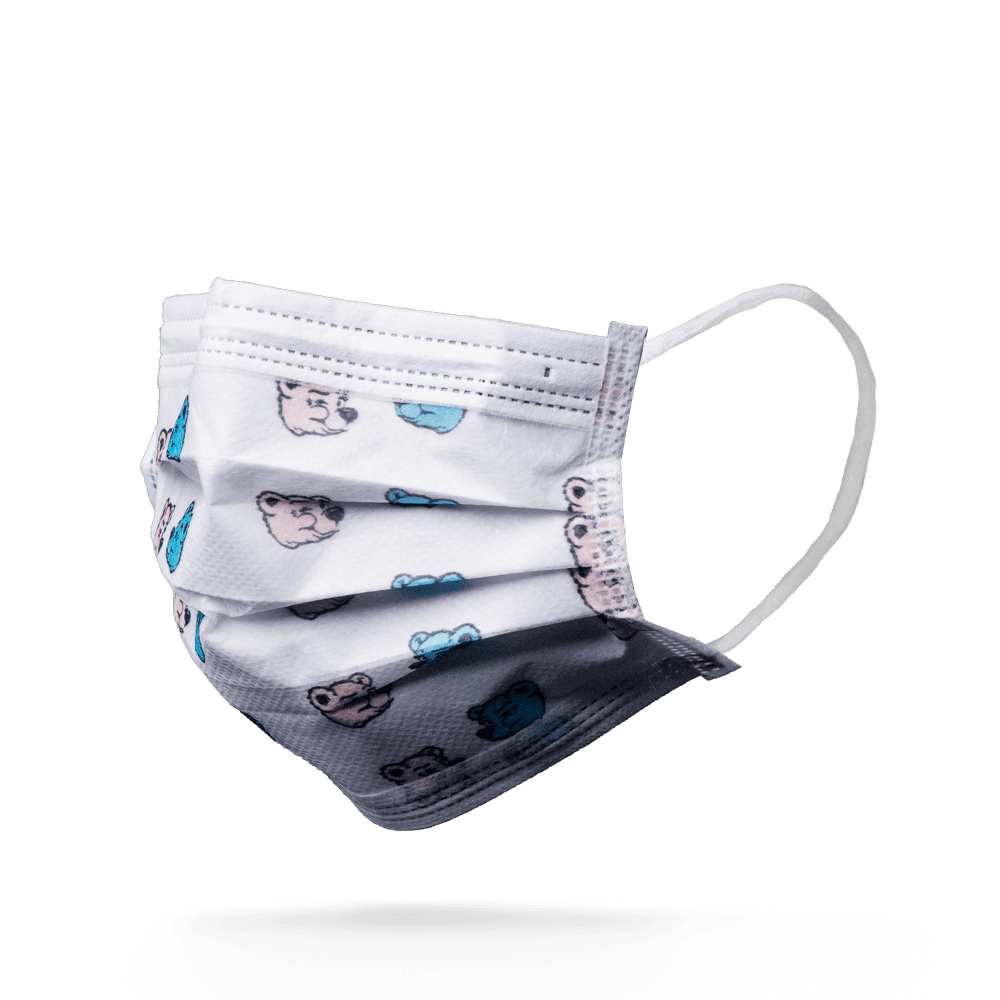
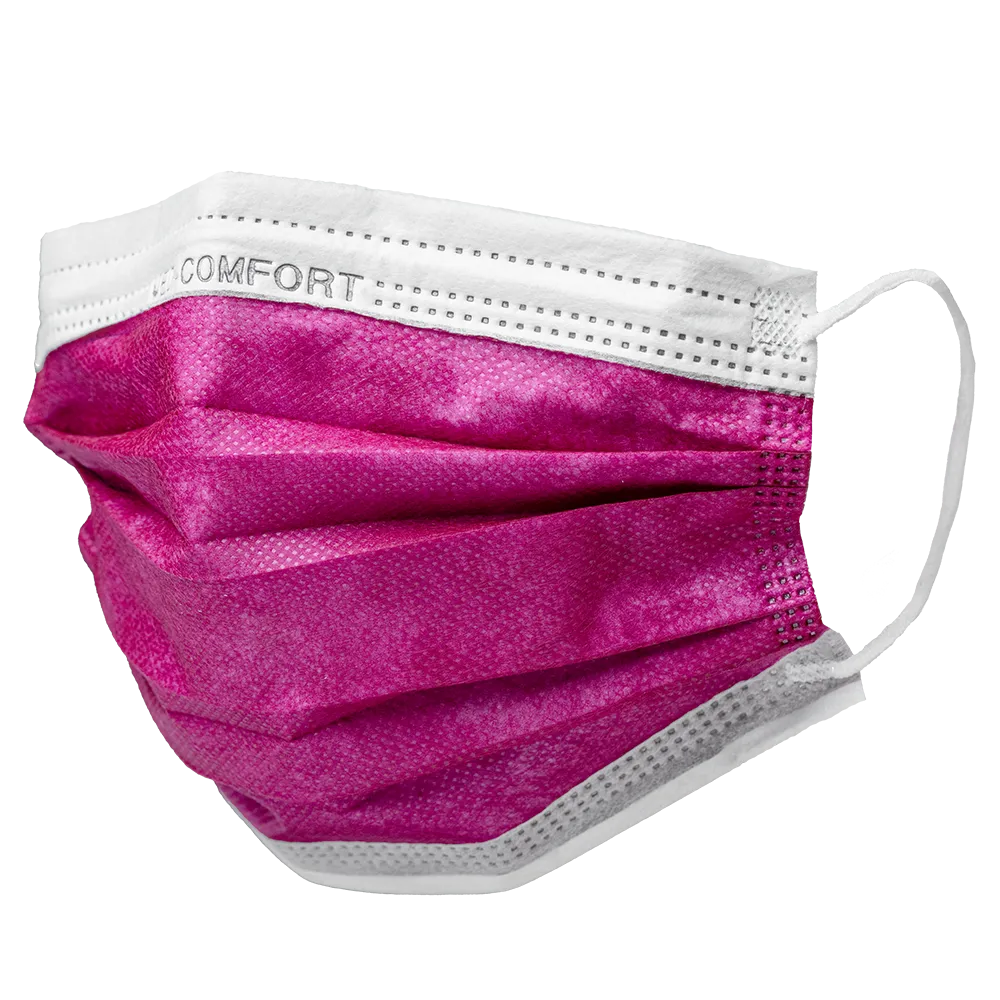
MED-COMFORT Face Mask with Pattern (Type II)
- functional face mask with attractive design
- ideal for patient-facing areas or children
- latex-free ear loops and nose clip
- combination of hygiene and visual appeal
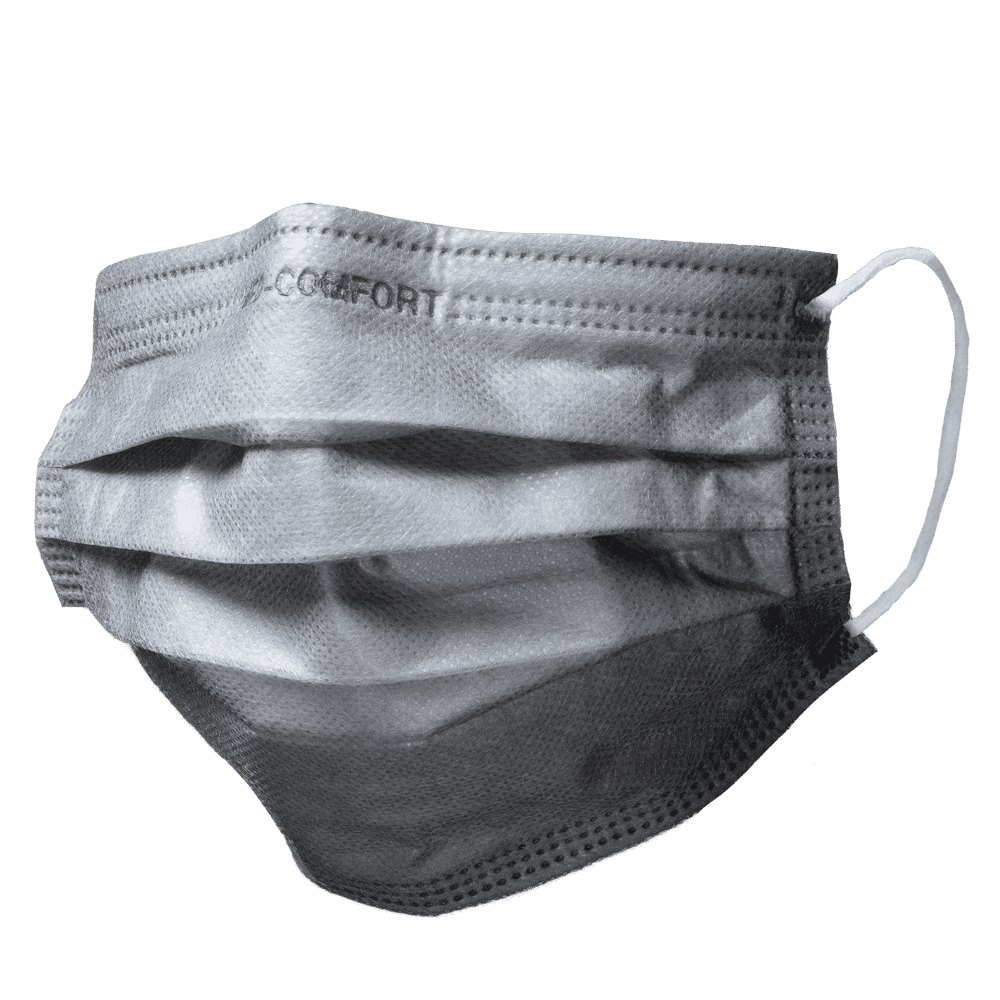
MED-COMFORT Black Face Mask (Type IIR, 4-layer)
- modern black surgical mask for cosmetics, studios & gastronomy
- high filtration performance and comfortable fit
- latex-free ear loops
- professional appearance
Stainless steel face mask dispenser
- hygienic single-mask dispensing
- ideal for surgeries, hospitals and entrance areas
- suitable for standard mask boxes
- robust and durable design
All products listed fulfil the relevant standards for medical face masks and are suitable for professional use. AMPri stands for tested quality, reliable availability and a broad product range for a wide variety of requirements.
FAQ: Frequently asked questions about face masks, surgical masks and medical masks
What is the difference between a face mask and an FFP2 mask?
A medical face mask (surgical mask) primarily serves to protect others, i.e. it protects other people from droplets released by the wearer. FFP2 masks, on the other hand, provide a significantly higher level of personal protection because they also filter the finest particles from the air and fit more closely to the face.
What does “Type IIR” mean for medical masks?
Type IIR is a classification according to EN 14683. These masks provide high bacterial filtration efficiency (≥ 98 %) as well as additional splash protection against liquids – ideal for medical and care applications.
How long can a face mask be worn?
A disposable face mask should generally only be worn for several hours and must be replaced as soon as it becomes damp or visibly soiled. In professional environments, internal hygiene guidelines often apply.
Can disposable masks be reused?
No, medical disposable masks are designed for single use only. Reuse can significantly reduce the protective effect and increase hygiene risks.
Are black or coloured masks as safe as blue ones?
Yes, provided they comply with the same standards (e.g. EN 14683). The colour has no influence on filtration performance and is purely a visual or organisational feature.
How can you recognise a high-quality face mask?
Important criteria include EN 14683 certification, high filtration performance (BFE ≥ 98 %), a multi-layer structure with filter fleece, as well as clean workmanship and CE marking.
What does BFE mean for masks?
BFE stands for “Bacterial Filtration Efficiency”. It indicates how effectively a mask filters bacteria from the air. Medical masks generally achieve ≥ 98 %.
Are there special face masks for spectacle wearers?
Yes, so-called Fogstop masks or models with an optimised nose area significantly reduce fogging of spectacles and improve wearing comfort.
Are medical masks latex-free?
Most modern disposable masks are latex-free and therefore also suitable for allergy sufferers. Checking the product description provides certainty.
Which face mask is suitable for dentists?
In dentistry, Type IIR masks are generally used because they additionally protect against liquid splashes.
Can face masks be used in the food sector?
Yes, medical face masks are frequently used in food processing in order to reduce the transfer of germs onto products.
Which mask is the best?
The “best” mask depends on the area of application. For everyday medical use, Type IIR masks are the standard, whereas FFP2 masks are advisable when increased personal protection is required.